

But wait. Hold on a moment before you start. Before diving into the editing process, distance yourself from the story, allow your mind to reset. Some say, “Let it percolate.” Taking a solid break between finishing the first draft and starting the editing process helps you approach this phase with a fresh perspective, and the objectivity that is necessary to do a respectable job.
There is a debate about who said it first, but this saying has been around a time: Kill Your Darlings! This is the place where you will be following that advice. In some cases, we, as writers, find a phrase or two so wonderful we want it written down for posterity, but it has nothing to do with the story now or, it just drags down momentum. These are the deletes that hurt a little bit.
- Structural Editing: This is much more than proof reading. Start by assessing the overall structure of your story. Look at the bones of your story and is frequently referred to as the story arc. Does the plot flow smoothly? Are the characters well-developed and consistent? Look for plot holes, inconsistencies, or any areas that may require restructuring. Ensure that your story has a clear beginning, middle, and end, with a logical progression of events.
- Strengthen Your Characters: Characters are the heart of your story. Hopefully you took the time to complete character sketches for each of the key characters before you jumped in. Evaluate their motivations, desires, and conflicts. Are they compelling and relatable? Do any of the characters that appeared in the beginning melt away before the ending? Your characters must resonate with readers and contribute effectively to the narrative. No free loaders.
- Refine Dialogue: Dialogue is the life blood of your characters. Make conversations sound natural and authentic. Trim unnecessary dialogue tags, ensure each character has a distinct voice, and eliminate repetitive or unrealistic speech patterns. It helps to read the dialogue out loud as you’re going through it.
- Polishing the Prose: Refine your writing by eliminating clichés, redundant phrases, and awkward sentences. Look for opportunities to enhance your descriptions, creating vivid and engaging imagery. Keep your sentences concise and avoid excessive wordiness.
- Show, Don’t Tell: This is a big one and it’s hard to fully capture. Perhaps a blog on this one is in the near future. One common pitfall in early drafts is telling the readers what’s happening instead of showing it. Allow your readers to experience the story through sensory details, action, and dialogue. Instead of stating that a character is angry, show their clenched fists, furrowed brows, and terse words.
- Proofreading: Oh goodie! Back to the beginning! Once you’re satisfied with the content and structure, shift your focus to the dreaded details. Proofread meticulously, searching for errors in grammar, punctuation, and spelling. Pay attention to commonly misused words and typos. Consider using grammar and spell-checking tools or seek assistance from beta readers for a fresh perspective. There are so many freelance proofreaders out there. Well worth the money!
- Seek Feedback: Don’t be afraid to share your revised manuscript with trusted friends, writing groups, or beta readers. Constructive feedback can help identify blind spots, point out areas that need improvement, and offer valuable suggestions for further refinement. Embrace the feedback as much as you can! Listen to it because it will enhance your work. Not necessarily the way someone suggests a rewrite, but it shows weaknesses in the flow that you can fix.
- Repeat the Process: (Yay, starting over again!) Editing is an iterative process. Once you’ve implemented feedback and made necessary revisions, go through the editing cycle again. Multiple rounds of editing will help you polish your manuscript to a professional standard.
Remember, the editing process requires patience, dedication, and the ability to kill your darlings. Embrace the journey, knowing that each round of editing brings you closer to that book. Don’t become discouraged by the challenges you encounter along the way. It is an integral part of the process. Find the editing cartoons out there and keep them close. Stay entertained and get ready for the production portion of the process.
Check Out Dee’s Books
Author, Dee G Suberla
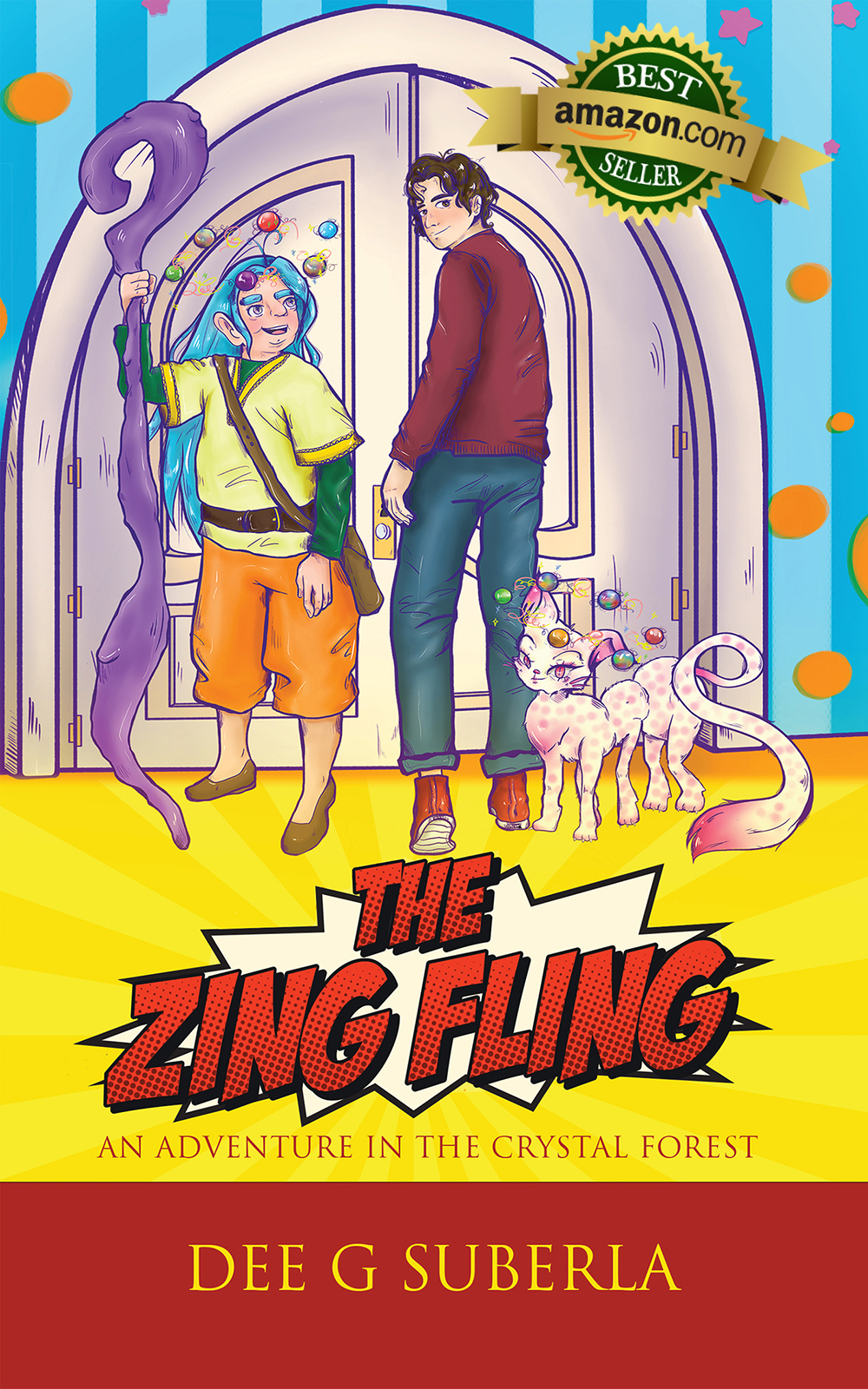
The Zing Fling, An Adventure in the Crystal Forest
A Middle Grade Fantasy

Kirkus Review
In Suberla’s tight, straight-ahead, minimal-complications narrative, Joey’s heirloom Polaroid camera, which develops unusual powers in Waiderfled, figures significantly. Readers may find this whimsical and enjoyable material reminiscent of the works of Dr. Seuss, Lewis Carroll’s Alice’s Adventures in Wonderland, and Norton Juster’s The
Phantom Tollbooth. … lessons here in self-confidence and can-do spirit are obvious. … An engaging, positivity-preaching fantasy with Seussian and Lewis Carroll–esque aspects.
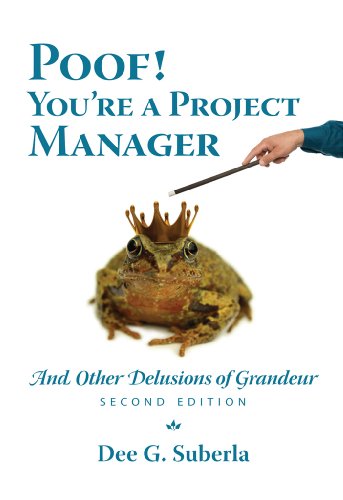
Poof You’re A Project Manager And Other Delusions of Grandeur
Review
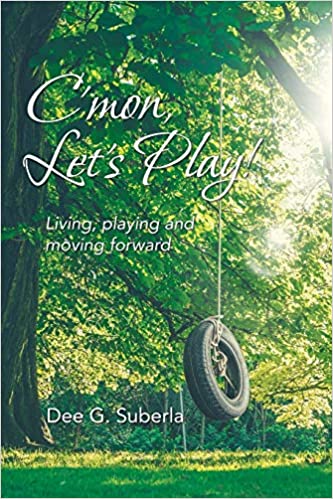
Novel News Network – C’mon Let’s Play – @DSuberla@RABTBookTours by gstamperxxxx
Sometimes it takes reading about someone else’s journey and the things they learned along the way to open your eyes. Self-reflection is great and I think that in Dee G. Suberla reflecting, she opens that in the reader.
The theme is simple, moving on and moving forward. Not only that but doing it in a different kind of way. How our choices affect everything around us, how to make the right ones, and so much more.
I loved the comedic relief, this book and Suberla’s writing did not take itself too seriously.
A. Z. Reviewed in the United States on March 10, 2021